
Disclosure: Some links below are affiliate links, meaning we may earn a small commission at no extra cost to you. Learn more.
Welcome to Bukhara travel guide! While Samarkand is famous for its grand scale, Bukhara was the absolute highlight of our time on the Silk Road. It is smaller, more intimate, and very compact.
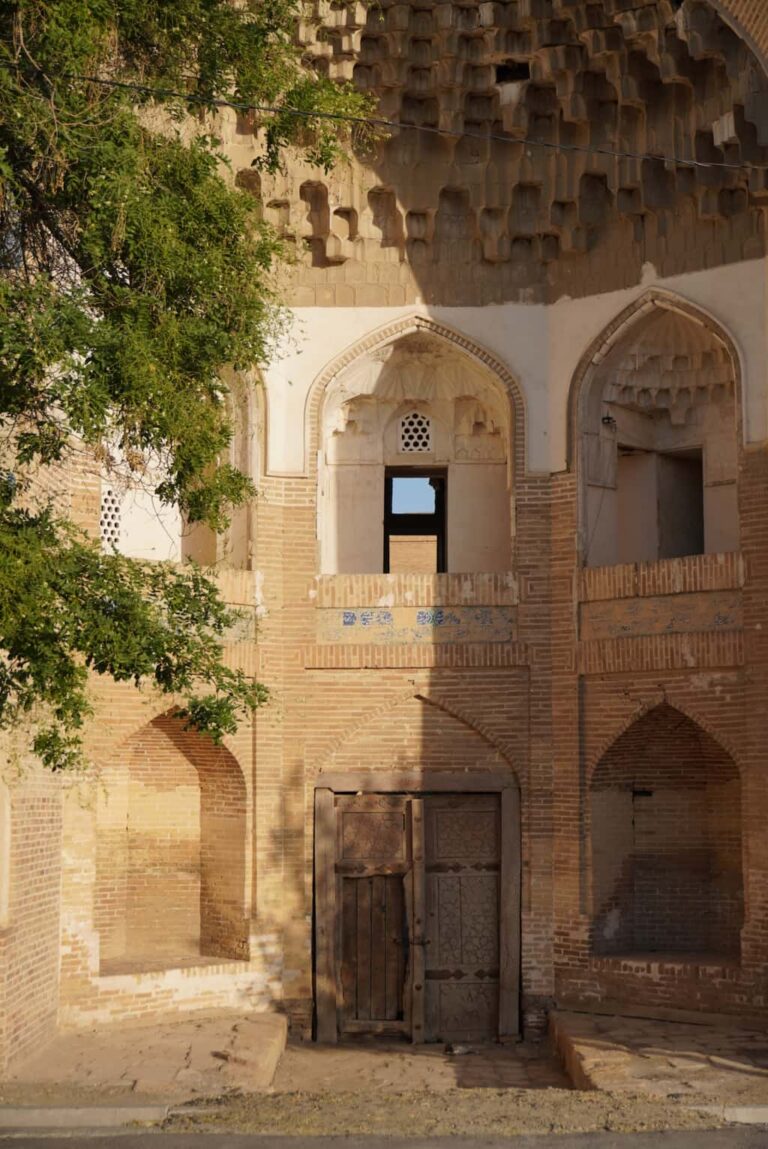
To me it felt like a maze of mud-brick alleys that look like they haven’t changed in centuries. It is best to explore it without much of a plan. Just wander around the narrow streets, old madrasas, quiet courtyards and feel its magic.
👉 For broader planning, check out our comprehensive Uzbekistan Travel Guide and Uzbekistan Train Guide to map out your transport.
Is Bukhara Worth Visiting?
If you’re wondering whether to add it to your itinerary, the short answer is a resounding YES!
Wandering ancient trading domes among local carpet weavers, craftsmen, and artisans, and quiet tea-drinking courtyards feels like time-travel.
This is a taste of old-world Central Asia that is difficult to find anywhere else. If you want to experience the actual soul of the Silk Road rather than just check famous monuments off a list, visiting Bukhara is non negotiable.
How Many Days in Bukhara Do You Need?
2 to 3 days is the sweet spot. Since the historic center is compact and walkable, you won’t waste time on city transit:
3 Days: The ideal relaxed pace for local cafés, a historic hammam bathhouse, deeper side-street exploring, or a morning day trip.
2 Days: Plenty of time to hit all the old town highlights, trading domes, and iconic mosques.
Arrival in Bukhara: Logistics & Getting Around
How to get to Bukhara
Most travellers arrive in Bukhara by train from Samarkand or Tashkent via the high-speed Afrosiyob train. Make sure to buy tickets in advance as it solds out during peak season.

Arrival logistics
Bukhara’s railway station actually sits in neighboring Kagan (20–25 minutes out). The easiest way to get into the center is by ordering a ride on the Yandex Go app as soon as you step off the train.
Don’t be discouraged by the dusty outskirts. Once your taxi crosses into the historic core, the atmosphere will shift instantly into a maze of narrow brick streets and ancient, mud-toned domes.
Getting around Bukhara
🚶 Walking: The old town is walkable and mostly pedestrianized. All major sights, cafes, and hotels are within a comfortable 10–20 minute walking radius.
🚕 Taxis: For longer distances or day trips outside the center, Yandex Go taxis are best and incredibly inexpensive. You will likely only need them when moving between the station and your hotel.
Best Things to Do in Bukhara
Exploring the historic trading domes and mosques is incredible, but joining a guided walking tour truly brings the Silk Road story to life.
Our Top Pick

Our personal FAVOURITE way to explore the city is with the Bukhara Walking Tour with a Small Group.
Not only does it cover all the major trading centers and religious sites with an expert English-speaking guide, but we got to try on authentic, bridal and groom attire – it was one of our absolute highlights in Uzbekistan!
The Bride’s Attire: My outfit was heavily layered. First came a circular bridal cap with gold embroidery. Over my face and chest, our guide placed a Chachvon, a heavy, dense black mesh veil and then a beautifully patterned Paranja robe to cover my head and body.


The Groom’s Attire: Alessandro wore a magnificent, gold-embroidered Zarchopon robe crafted using the traditional Zardozi technique, paired with a geometric-patterned Do’ppi cap (you’ll see it everywhere in the local market).
Traditionally, the bride must stand directly next to but also half-step behind from the groom to symbolize respect and shared balance. Slipping into these heavy, historic garments gave us such a memorable, hands-on appreciation for Bukharian culture.
Another eye-opening stop was learning about the Beshik; a traditional wooden cradle used in Central Asia for centuries. Our guide showed us how mothers cleverly solved the diaper problem long before disposable options existed.


First, the baby is wrapped in colourful blankets tight enough to prevent them from rolling or falling out. Then, they use a tube called Sumak (it kinda looks like a mini flute) which directs urine through a hole in the bottom of the crib, draining directly into a bucket placed underneath.
Because of anatomy, the Sumak comes in two distinct designs for boys and girls (both variations are shown in the image above). It is an incredibly clever, eco-friendly piece of traditional engineering!
Old town & historic centre
The UNESCO-listed old town is the heart of Bukhara and where most of the main sights are located. It’s a maze of narrow streets, courtyards, madrasas, mosques, and caravanserais (aka a historical roadside inn or resting place where travelers, merchants, and pilgrims could lodge), all within easy walking distance.
We covered most of the ground with our tour guide, and also by ourselves the next day.

Poi Kalyan complex
This is the most iconic architectural ensemble in Bukhara and one of the most important Silk Road landmarks in Central Asia. It includes the Kalyan Minaret, the Kalyan Mosque, and the Mir-i-Arab Madrasa.
The minaret was historically used as a landmark for caravans approaching the city due to its height and central location.


💡Tip: Best visited in the morning for quiet paths, or at sunset when the golden light matches the desert-toned bricks. I mean, look….


Lyab-i Hauz
A central square built around a pond, surrounded by historic buildings, mulberry trees, cafés, and restaurants. It is a meeting point for locals, open space for kids to play, ice-cream street vendors as well as many souvenir shops.

We kept bumping into people we had seen explore around as it literally is the only central square for everyone to end their day.
Ark of Bukhara
We visited this massive fortress at the end of our guided tour in the evening and we’re glad we did because this gave us more time to sit down and pay attention to the locals around us.
The square right outside was full of young school kids celebrating, families walking around, small street vendors selling cotton candy and other snacks.

Inside, you’ll find small exhibitions, but the main highlight is the elevated view over the surrounding old town.
💡Tip: Allow around 1 hour for a visit.
Bolo Hauz mosque
Just across the street from the Ark of Bukhara you will find the Bolo Hauz Mosque. Our tour guide told us that out of all the front pillars, only 1 is still the old construction. All others have been restored in a way to look identical to the old ones. Try to guess if you go see it in person!
We didn’t manage to see its interior due to active prayer time but with a quick glimpse it looked grand and elegant.

The historic trading domes
An enormous covered bazaar with 4 entries that used to be part of Bukhara’s Silk Road trading system, where merchants sold silk, spices, and other goods. Think of it as the meeting point of merchants arriving from different directions to exchange goods before they continue their route.

Today, the bazaar is still active but focused more on handcrafts, carpets, textiles, and souvenirs. Some of the traditional products we found:


Chor Minor
A small but unusual building slightly outside the main centre, known for its four decorative towers. It was originally part of a madrasa complex and is one of the most photographed spots in the city.


It doesn’t take long to visit, but it’s worth a short stop if you’re exploring the quieter streets.
Where to Stay in Bukhara
Most visitors choose to stay directly in or around the atmospheric old town, which is easily the best area for effortless walking access to all the main sights. Because finding the right base is essential for soaking up the history, this section of our Bukhara travel guide highlights the top accommodation options available on Booking.com, ranging from budget stays to gorgeous heritage properties.
💡 Our Bukhara Stay: Personally, we chose a simple guesthouse right in the center. It was very basic with shared facilities (a communal kitchen and bathroom), but it was extremely affordable and put us within a quick 5-minute walking radius of absolutely everything.
If you prefer a full-service hotel or a bit more comfort, here are a few highly rated options depending on your budget:
- 🏨 Minzifa Boutique Hotel: One of the most popular boutique stays in the city, set inside a beautifully restored traditional building with stunning historic charm.

- 🏨 Khurjin Old Karavansaray: If you want to experience staying at a traditional Karavansaray, Khurjin Old Karavansaray offers authentic historic charm combined with a convenient central location just a short walk from Bukhara’s main sights.

- 🏨 Komil Boutique Hotel: A gorgeous, historic-style property featuring intricate traditional Uzbek interiors and an incredibly peaceful central courtyard.
- 🏨 Lyabi House Hotel: One of the most centrally located options you can book, sitting right next to the vibrant Lyab-i Hauz hub.

- 🏨 Oasis Boutique Hotel: A fantastic, smaller, and more budget-friendly boutique choice that keeps you completely within easy walking distance of the old town.

Where to Eat in Bukhara: Best Restaurants & Local Spots
Bukhara has a more traditional and relaxed food scene compared to modern Tashkent. Most restaurants here serve classic Uzbek dishes such as plov, shashlik, and lagman, often in a courtyard-style setting that matches the atmosphere of the old town perfectly.
My personal favourites:
- 🍽️ Mavrigi Restaurant: A traditional spot in the old town serving classic Uzbek dishes in a courtyard setting.
- 🍽️ Zargaron Plov: A local favourite known for its freshly cooked plov.
- 🍽️ JOY Gastro Restaurant: An upscale, romantic option for modern dining.
- 🍽️ The Plov: Set a bit further outside the old town, perfect if you’re craving authentic morning plov.
- ☕️ Coffee House: A cozy downtown café ideal for coffee, light meals, and a break near Lyab-i Hauz.


Day Trips from Bukhara
Bukhara is primarily a destination in itself, so taking day trips here is less common than in Samarkand. Most travelers prefer to spend their time soaking up the atmosphere of the old town rather than venturing far outside the city walls.
However, if you want to add a bit of variety to your itinerary, there are a couple of ways to expand your Bukhara travel guide checklist.
Sitorai Mokhi-Khosa (The Summer Palace)
Located 5–6 km outside the city, this is the late 19th-century summer residence of the last Emir of Bukhara. It blends Russian, Oriental, and local architectural styles reflecting the different influences that shaped the region in the late 19th and early 20th century.
Inside, you’ll find mirrored halls and decorated rooms offering a glimpse into pre-Soviet royal life.
🚗 Getting There: A 10–15 minute Yandex taxi ride from the center.
⏳ Time Needed: 1–2 hours to explore the palace interior and the grounds.
Naqshbandi Mausoleum
Just outside the city, this significant Islamic pilgrimage site is dedicated to Sufi spiritual leader Bahauddin Naqshband. It offers a deeply spiritual and local atmosphere focused on active prayer across its mosques, courtyards, and gardens.
Unlike the architectural focus of the old town, this site feels more spiritual and many Uzbek visitors and pilgrims go there for religious reasons and quiet reflection. The complex includes mosques, courtyards, and gardens that are still actively used today.
🚗 Getting There: A 15–20 minute taxi ride from the center.
💰 Cost & Dress Code: Free to enter. Modest dress is strictly required (shoulders and knees covered; headscarf recommended for women in indoor spaces).
⏰ Planning the rest of your trip? Don’t miss our other Uzbekistan guides:
→ Uzbekistan Trains & Transport Ultimate Guide
→ How Much Does a Trip to Uzbekistan Actually Cost?
→ How to Plan the Ideal Uzbekistan Trip: 1, 2 & 3 Week Itineraries
→ Samarkand Travel Guide
→ Uzbekistan Travel Guide
→ Tashkent Travel Guide
→ Where to Stay in Tashkent: 3 Best Neighborhoods & Hotels
Frequently Asked Questions (FAQs)
Walking entirely on foot is best since the historic center is so compact.
However, Bukhara’s history is dense, so we highly recommend booking this local walking tour on your first morning to uncover hidden courtyards and stories you’d otherwise miss.
You will mostly need cash (Uzbek Som). While upscale hotels accept cards, local eateries and street vendors are strictly cash-only.
ATMs can run out of cash or charge high fees so it’s best to bring cash with you from Tashkent or Samarkand.
💡 Tip: Download the free ATM Fee Saver app to compare and find the lowest ATM fees around town.
Spring (April to May) and Autumn (September to November) when daytime temperatures are ideal for walking.
We visited in August and since Bukhara sits right on the edge of the desert, we really struggled with the intense, dry summer heat!
They offer completely different vibes!
Samarkand is famous for its grand, breathtaking monuments, but it feels like a modern city. Bukhara, on the other hand, is a compact, old-world maze that you can explore entirely on foot.
Both are incredible, so try to visit both if you can.
It is incredibly safe, even for solo female travelers. In fact, night walks are highly recommended as the ancient mud-brick monuments light up and the Lyab-i Hauz plaza comes alive with local families.