




Disclosure: Some links below are affiliate links, meaning we may earn a small commission at no extra cost to you. Learn more.
At 33, I had achieved everything I was “supposed” to: a solid career, a comfortable routine, and the kind of stability that earns you praise from your family. On paper, it was a success story. Inside, I felt like I was shrinking.
My life was becoming smaller, more repetitive, and suffocating in a way that became impossible to ignore. In fact, the desire to trade this lifestyle for the freedom of long-term travel had been quietly growing in the back of my mind for years.
I spent my weeks living for the weekend, and my Sunday nights dreading another cycle of a corporate job that offered zero purpose.
Little did I know then, the answer to that suffocating cycle would eventually lead us to the world of long-term travel.
The more “stable” my life became externally, the less certain I felt internally about whether I was actually living the life I wanted. I started to see that I was fitting my life into a work schedule, rather than having work support the life I actually dreamt.
The Reality of Corporate Burnout
And then one day, it happened.. Alessandro was visiting his family in Italy, so I was alone in Leiden, and I woke up one day feeling like that day was going to be the last drop, like I couldn’t hold it any longer. Combined with certain things that happened the same day at work, the glass did overflow, and my patience and mental health along with it..
Doctors called it ‘work burn out’. I call it ‘I am so done with this corporate life that sucks all joy out of me’.
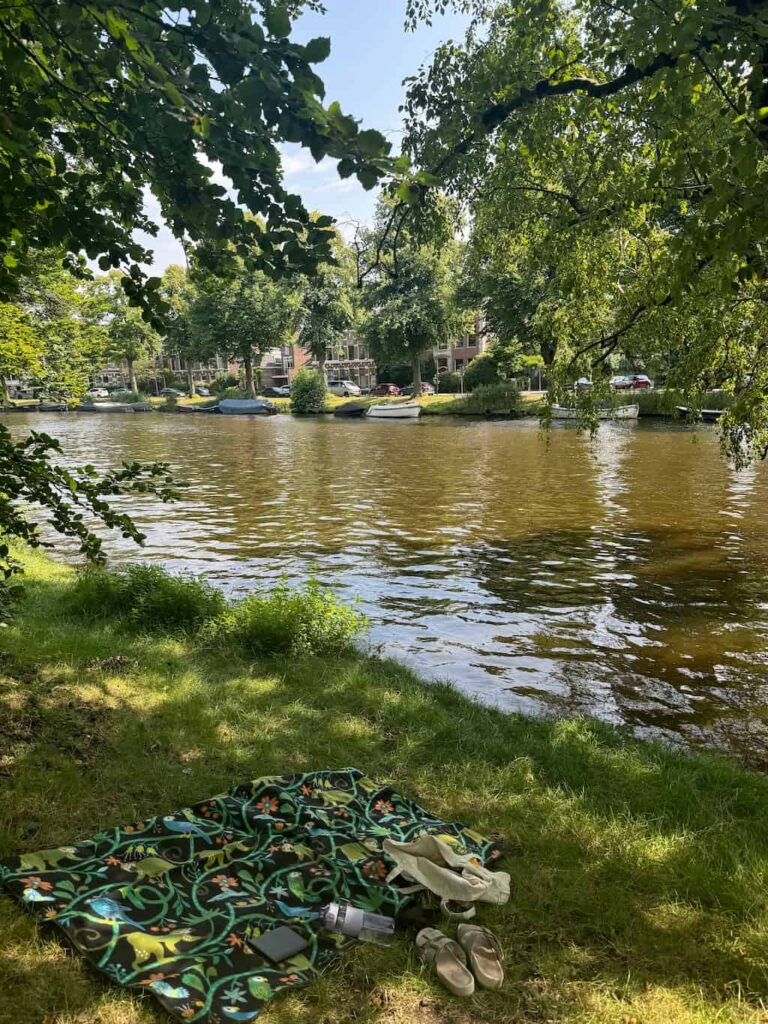
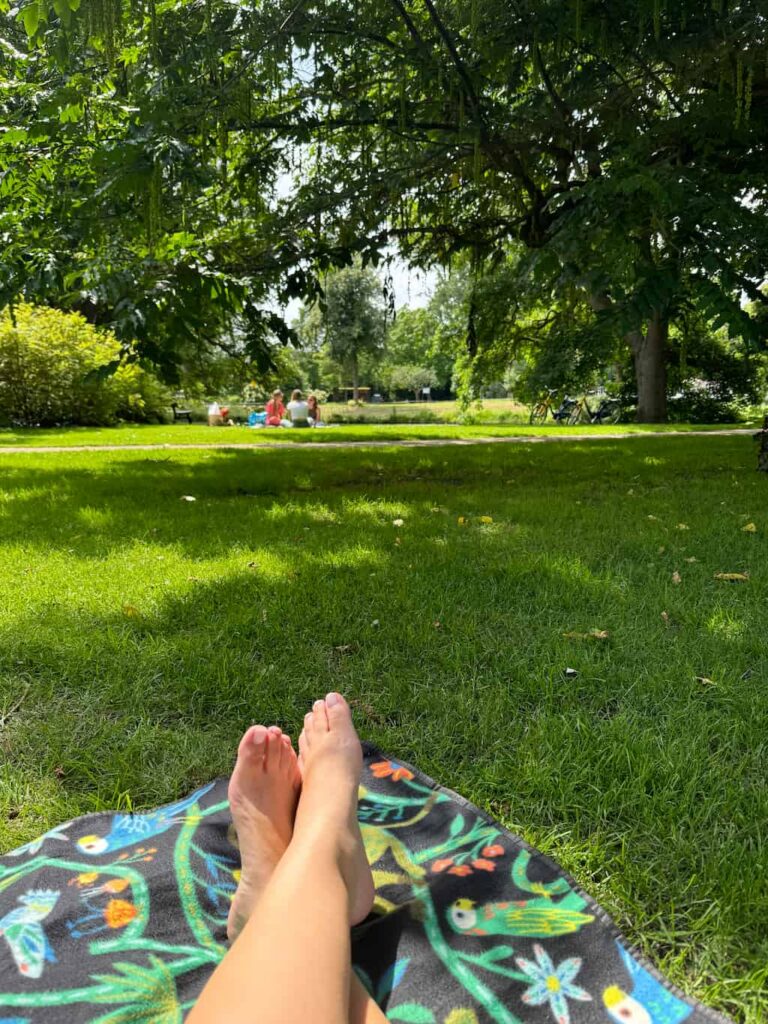
I still remember going to the park near our home in Leiden, sitting down by the beautiful canal and crying my eyes out until it is all out of my system. Kids were playing around me, boats were cruising the canals, people were having BBQs and I was wondering how I got there and what I could do about it..
It wasn’t just the Sunday night anxiety; it was a pervasive, heavy exhaustion that sleep couldn’t fix. My body was screaming for a pause that my corporate role didn’t allow for. We realized that the cycle we were trapped in wasn’t just stress..
It was burnout, a state of exhaustion that no amount of weekend rest or spending time with friends could fix.
Eventually, the choice was taken out of my hands. I stepped back, requested time-off for medical reasons, and stopped work entirely for those final months in the Netherlands and took care of my mental health anyway that I could. But even after I stopped working, the silence was louder than I expected.
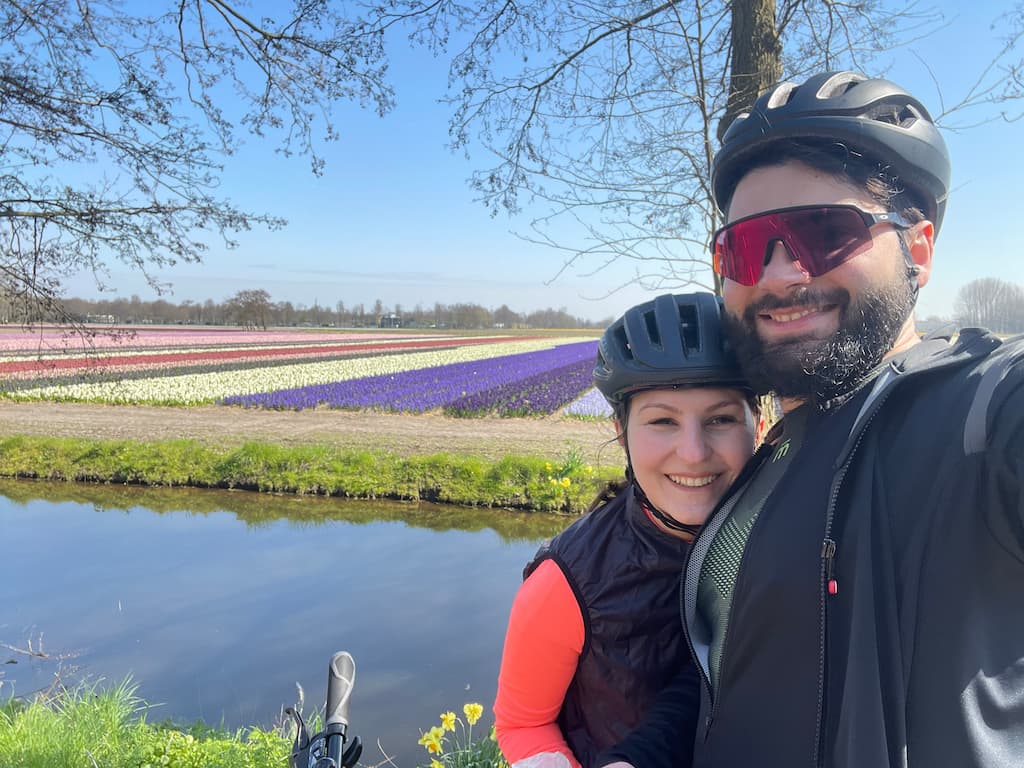
Shedding the Corporate Identity
Without the noise of meetings, emails, and deadlines, I was forced to sit with my own thoughts. I’ll admit, for a long time, it was very uncomfortable. I remember asking myself, “Who am I without the constant pings, the Teams calls, and the endless calendar invites?” . It sounds dramatic, but it took me over a month to truly internalize that I didn’t have to (and shouldn’t) check my inbox. It was the doctor’s orders after all!
For years, my identity had been synonymous with my job title. Leaving that behind wasn’t just about quitting a role; it was about untangling my self-worth from my productivity. It felt less like handing in a notice period and more like shedding a layer of skin.


I was in a state of emotional withdrawal, processing years of “hustle” that had left me completely disconnected from my own needs. I realized that the problem wasn’t just the job; it was the frantic pace at which I was existing. I had to learn how to simply exist before I could ever hope to travel well.
However, the inner work was only half the battle. I carried a heavy, lingering guilt for leaving a stable career. I felt like I was “betraying” the path I had spent years studying for, not to mention the investment my parents had made in my education. How do you explain that you’re walking away from a permanent, well-paid position to pursue long-term travel?

The hardest conversations weren’t about the logistics of moving; they were about justifying our choices to a world that prizes stability above all else. We had to learn that it was okay to choose a path that didn’t have a clear, upward trajectory in the eyes of society.
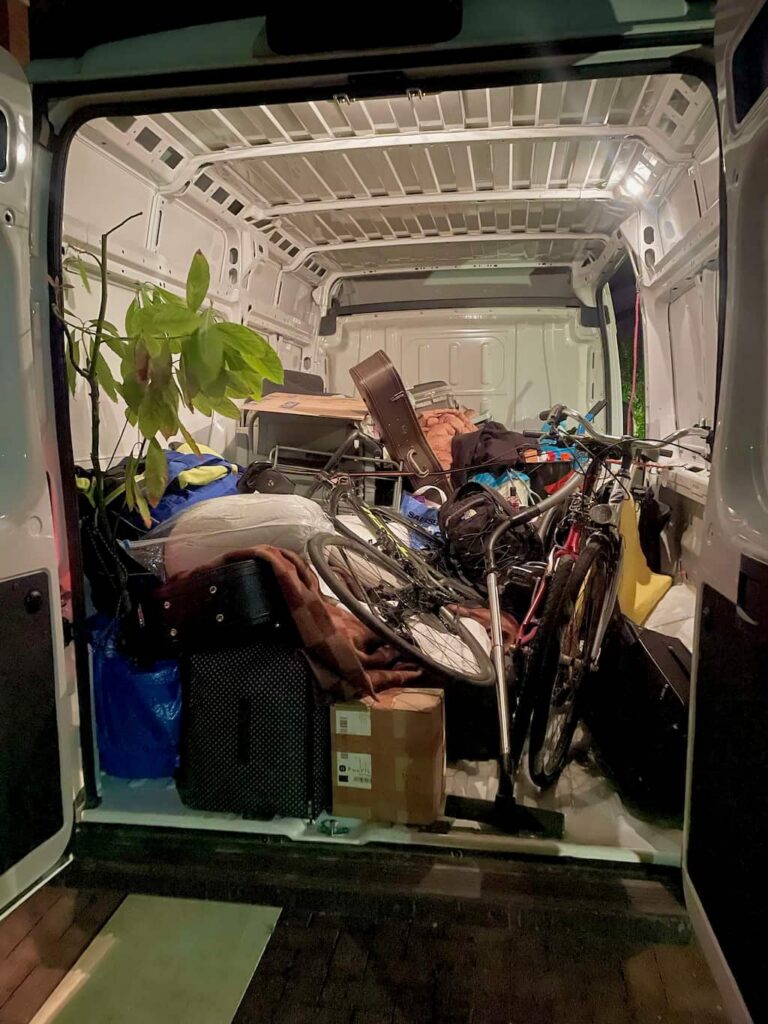
Once we finally accepted that, the path ahead, although terrifying, started to feel electrifying. We were ready to move out of our apartment in Leiden, ship our belongings back to our parents (in Greece and Italy), and finally ditch our routines and salaries for the unknown.
Our Transition to Long-Term Travel
Deciding to take a formal career break to travel felt terrifying, but it was the only way to reclaim our mental health.
People often ask if we left because we hated our lives there. We really didn’t! Most of our good friends are still there, Alessandro lived there for 10 years and I for 5, this is where we met and built our first home, so a big piece of our hearts will always be there!
We didn’t leave because we were running from something; we left because we wanted to see what would happen if we finally stepped outside the version of life we had always known.
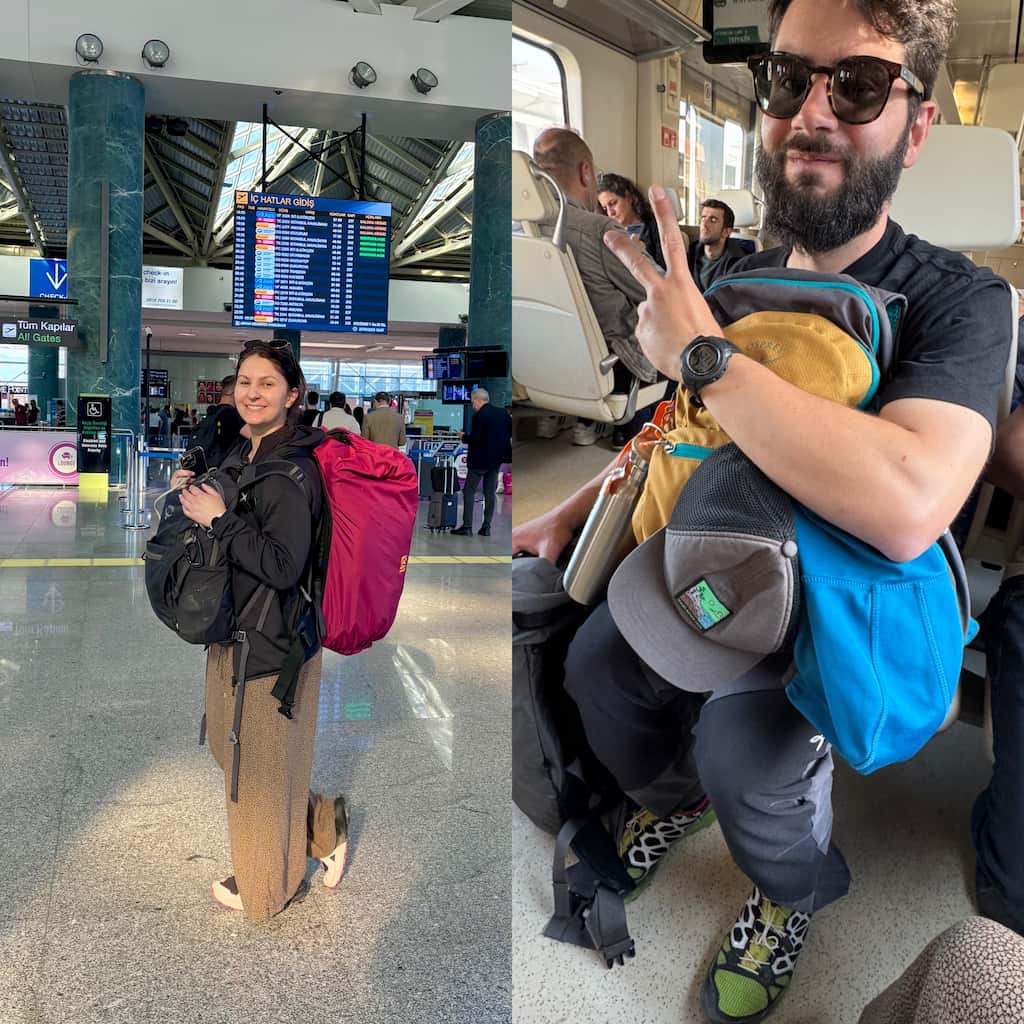
And let’s be clear: we didn’t believe travel would magically solve everything. Spoiler alert – it doesn’t! Travel is not a permanent vacation. Eventually, it just becomes life, only in a different location.
Transitioning to long-term travel wasn’t just about booking flights; it was about untangling ourselves from the corporate identity we’d built. It took us several months to move away from old routines and find out who we are without our work responsibilities.
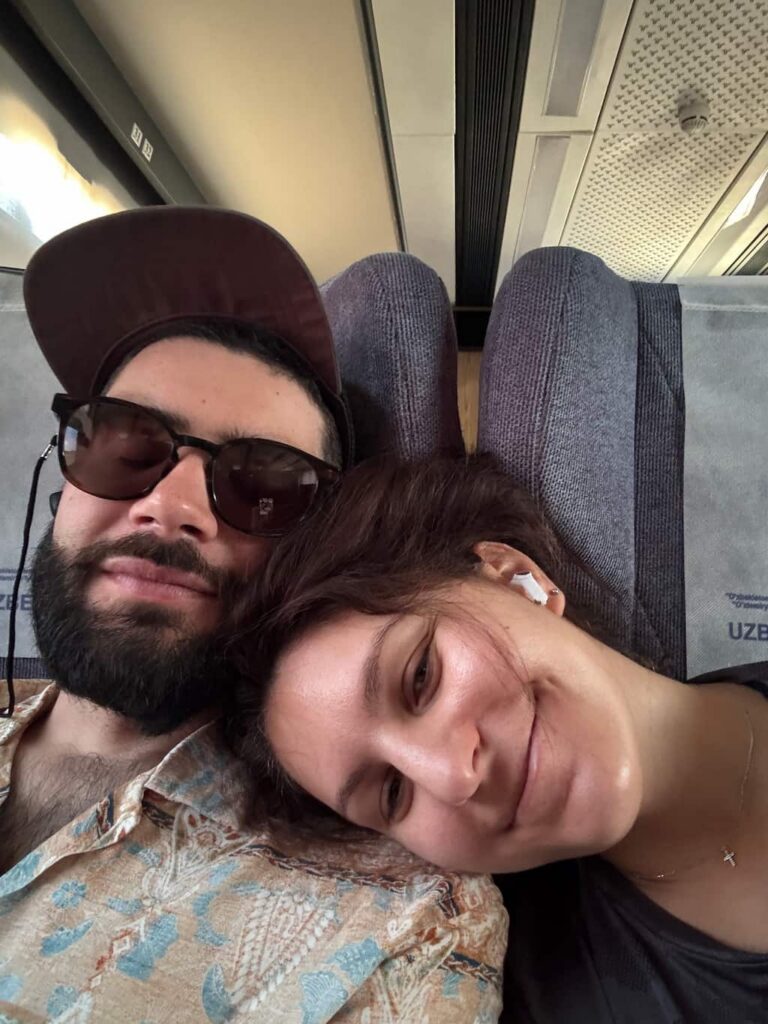
We realised that, at times, we needed to create projects ourselves as our brains pulled us toward the satisfaction of having tasks to complete.
Balancing that internal drive with the reality of life on the move was an adjustment. Yes, there are incredible landscapes and beautiful connections, but there is also uncertainty, overstimulation, and exhaustion.
There were many occasions where we consciously chose to stay in and rest rather than forcing ourselves to ‘see it all.’ We’ve come to value our mental health far more than checking another box on a bucket list.
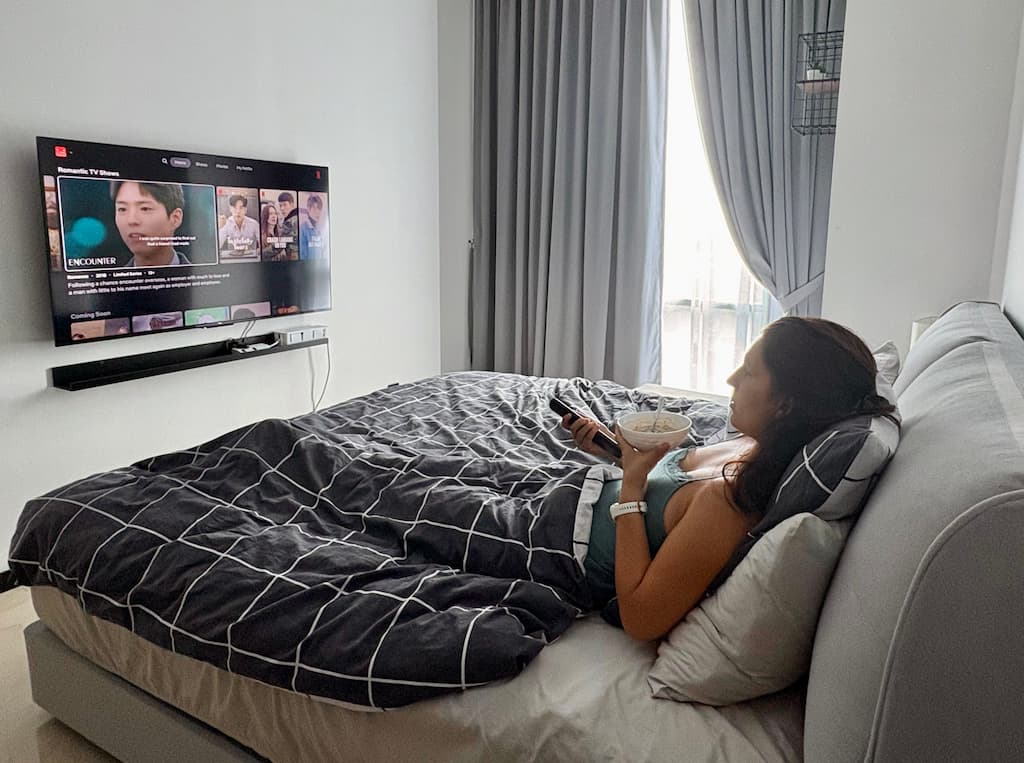
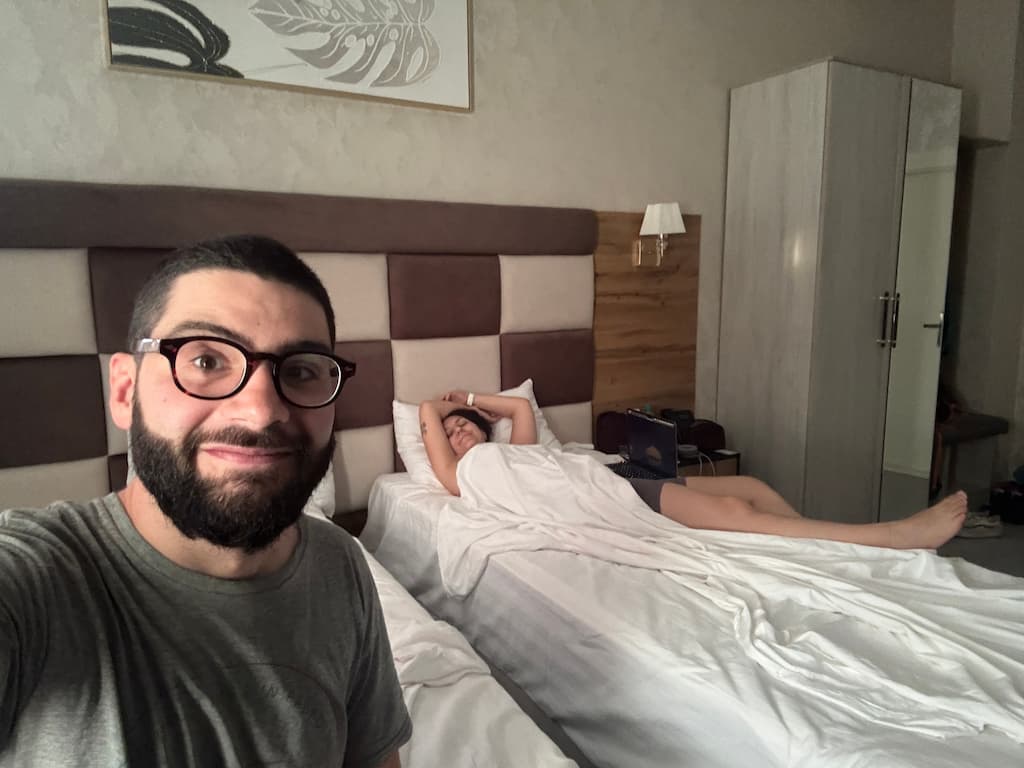
In fact, if you look through some of our guides, you might notice we occasionally use other people’s photos of certain attractions. We made that choice intentionally: we aren’t here to capture every landmark for a list; we are here to experience the world without sacrificing our well-being.”
Travel doesn’t remove your problems but it does remove the distractions or excuses that used to hide them.
What Long-term Travel Taught Us
Despite the difficult days, this path feels aligned with us in ways we hadn’t imagined. We learned how to experience life in depth and appreciate the small ordinary moments like shopping at local markets, building small routines in unfamiliar places, and having conversations that shift our perspective.
We left stability not to find an escape, but to find a way of living that allows us to be present, observant, and honest about what we actually need.
We traded the safety of the known for the growth of the unknown, and for the first time, we aren’t just counting the days – we’re finally living them.
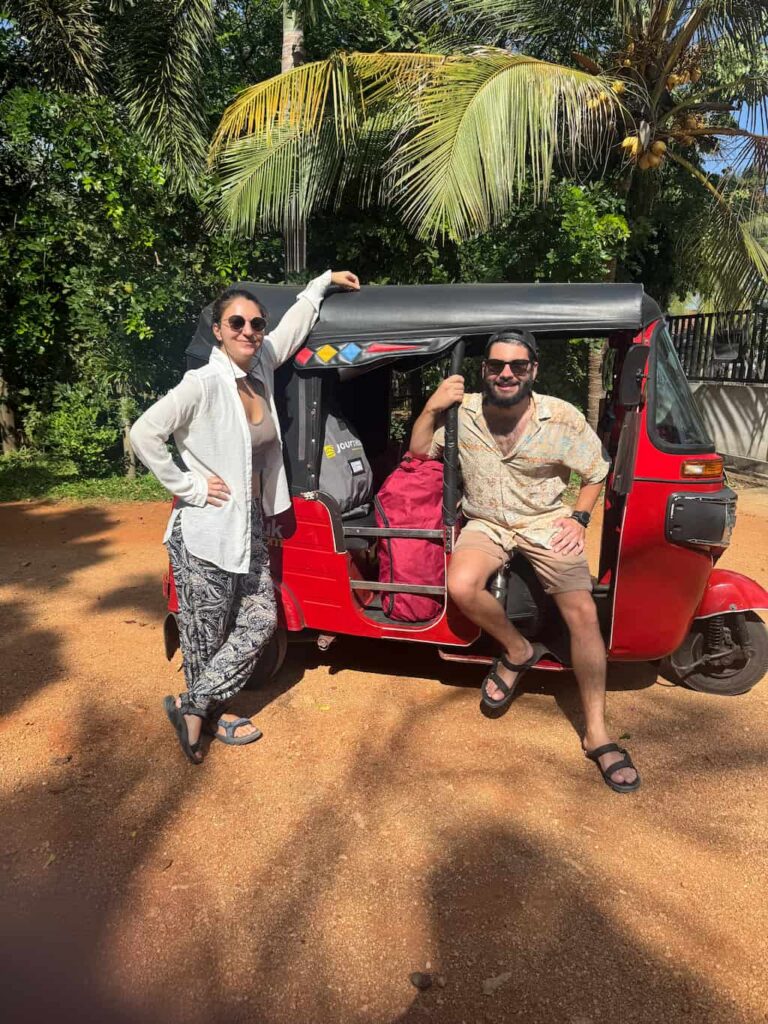
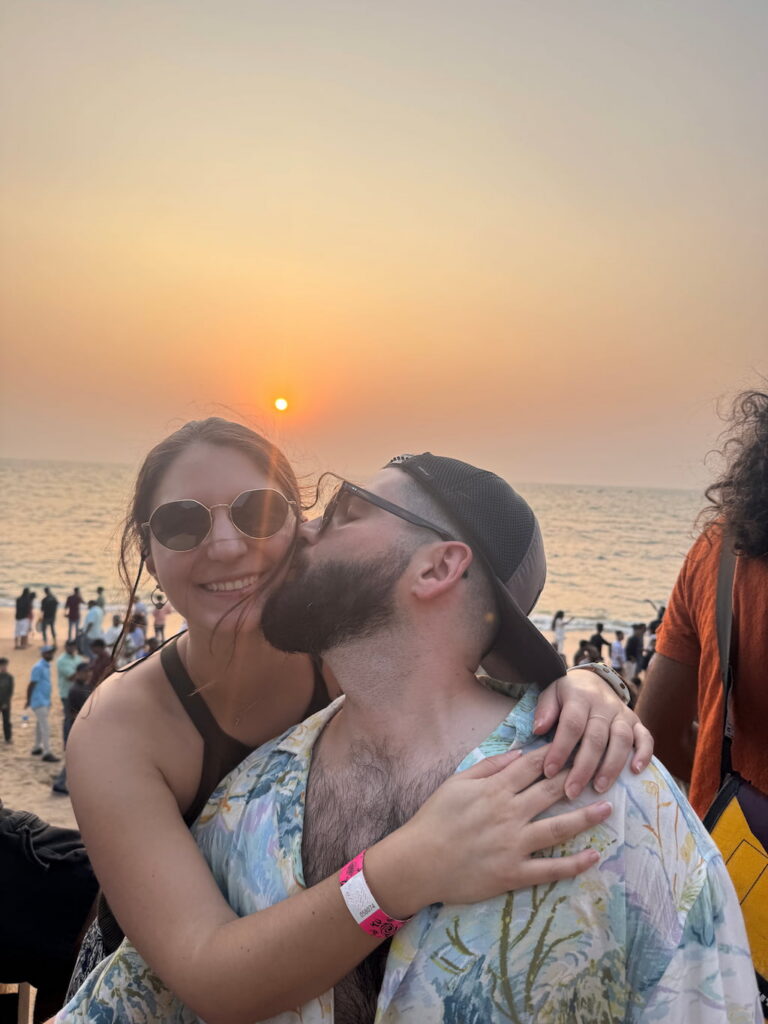
If you are reading this on a Sunday night, feeling that familiar, heavy weight, I want you to know you aren’t alone. We’ve all been there, and we’ve all had to figure out what that weight actually means for our own lives.
If you take anything away from our experience, let it be this: listen to your body. It knows the truth long before your brain is ready to admit it.
Don’t wait for your own ‘last drop.’ Ask yourself what you are truly protecting, and if the cost of that protection is your own joy. You don’t have to quit your job and travel the world to find balance, but you do owe it to yourself to find a pace that lets you breathe.
