



Disclosure: Some links below are affiliate links, meaning we may earn a small commission at no extra cost to you. Learn more.
To save money for travel, you have to bridge the gap between your dreams and your bank account balance.
Having spent the last year living out of a 40L backpack alongside my partner Alessandro, I’ve learned that a successful trip doesn’t require a reckless financial sprint. It just requires a solid financial roadmap.
Saving is a discipline. It isn’t about being miserable or cutting out every joy, but about making your money work as hard for your freedom as you worked to earn it.
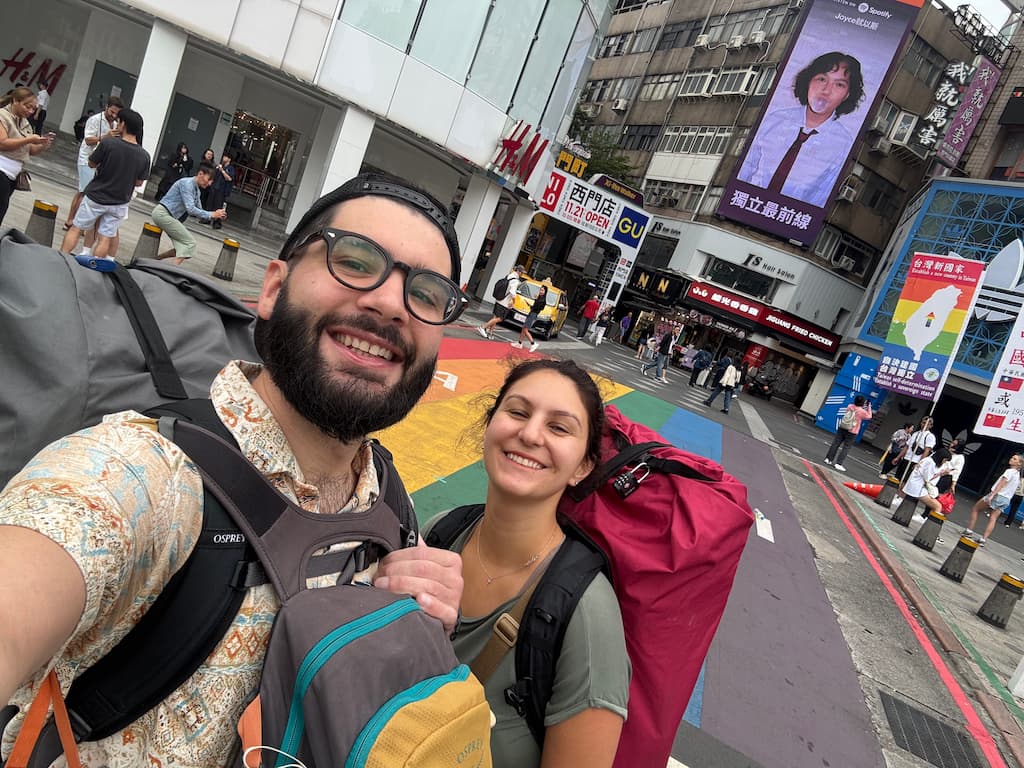
As we prepared for our year-long trip, we read countless “save money” guides. It was stressful, but by creating a clear financial roadmap, we eliminated that anxiety long before boarding our flight.
I wrote this guide because most advice stops at “sell your things” or “stop buying lattes” (I don’t even drink coffee unless it’s from Vietnam!), but none of them gave actual actionable advice.
So here it is.. We’ve broken this guide down into 10 actionable travel budget tips that actually moved the needle for us.
💡Note: These steps work just as well for a two-week holiday as they do for a long-term sabbatical. You don’t need to be a full-time traveler to benefit from a clear budget.
Part 1: The Foundation (Your Financial Roadmap)
1. Calculate your “True Trip Cost”
Stop guessing what your trip will cost. Research your destinations to determine your “daily average”:
the combined cost of accommodation, food, transport, and experiences per person, then multiply that by your total travel duration. This turns a vague hope into a concrete, non-negotiable target.
→ How we did it: We brainstormed our route nearly a year in advance. Once we settled on Asia, we used resources like Numbeo to get a realistic estimate local costs.
We averaged these out (e.g., €80/day in Uzbekistan vs. €110/day in Sri Lanka) and set a realistic target of €100/day for the year. Having that clear travel budget tip in mind helped us stay disciplined while keeping our comfort intact.

2. Define your “Emergency Buffer”
Before you set aside a single cent for “fun,” build your safety net. Think of this as an insurance policy against the unexpected; it’s the best way to travel without constant, low-level financial anxiety.
Calculate your average monthly living expenses and decide how many months of “cushion” you need to sleep peacefully at night.
→ How we did it: We both grew up in families where emergency funds were non-negotiable, and it has been a lifesaver. We built a dedicated fund specifically to fall back on after our travels.
Each month, we transferred a set portion of our salaries into this buffer, knowing it would compound into our target goal by our departure date.
3. The Automated “Split”
The biggest mistake is waiting to see “what’s left” at the end of the month. With that mindset, there’s never anything left.
Treat your savings like a mandatory bill: set up automated transfers that hit your savings accounts the day your salary arrives. You’ll learn to live on what remains, and your funds will grow without requiring willpower.

→ How we did it: We set up automated transfers for both our travel fund and our emergency buffer. Shifting our mindset to treat these as non-negotiable bills, and essentially “forgetting” that money existed, made all the difference.
How to split your savings
If you’re working with a limited monthly budget, use these strategies to prioritize your goals:
- The Travel-First Approach (70/30): If you’re comfortable with risk and have some existing savings, allocate 70% to your travel fund and 30% to your buffer.
- The Security-First Approach (50/50 or higher): If you need financial safety to enjoy your trip, prioritize your emergency fund. This ensures you are building a safety net as quickly as your travel fund.
Note: These are just suggestions. Adjust the split based on your personal risk appetite, your departure timeline, and your trip duration.
Part 2: Actionable Ways to Fund the Adventure
4. The “Lifestyle Creep” Audit
Grab your bank statements from the last three months and hunt down the “silent” costs that crept into your life. If you want the best travel budget tips to help you save money for travel, you need to cut the noise.
→ How we did it: We went through every recurring charge and got ruthless. Here is where we found extra savings:
- Streaming & Media: We canceled Netflix and NBA memberships, opting instead for free YouTube travel documentaries instead. It saved money and built excitement for the trip.
- Shared Subscriptions: We stopped paying for individual accounts for Spotify, VPNs, and password managers (we love 1Password!). Splitting family plans with friends cut these monthly expenses by 60–70%.
- Gym Membership: I swapped my expensive boutique CrossFit membership for a standard gym that included classes. Same workout, lower price tag.
- Cloud Storage: We moved archived files to external hard drives and downgraded our Google Drive tier to the basic plan.
- Mobile Plans: We ditched expensive monthly contracts for cheaper SIM-only plans, knowing we would use local SIMs or e-SIMs abroad.
📱 Check eSIM deals on Trip.com – we used it in all countries in Asia and never let us down!
5. The “Substitution Effect”
Saving shouldn’t feel like punishment. Instead of quitting habits you love, use the “Substitution Effect” to swap them for lower-cost alternatives:
→ How we did it: We looked at our biggest “leaks” and found creative ways to keep the experience without the high cost:
- Dining Out → Dinner Parties: We swapped pricey restaurants for potluck dinners at home. The food was great, and the company was even better.
- Impulse Grocery Shopping → The “List-Only” Rule: I used to be one of those people that walk into a store for milk and leave with a full bag of extras. By sticking to a strict, pre-planned shopping list, we stopped wasting money on unnecessary items.
- Daily Coffee Out → Home Brew: Leaning into our moka pot saved us hundreds over the course of the year.
- New Purchases → Second-Hand: For travel gear, we turned to second-hand marketplaces first to find high-quality items for a fraction of retail price.
- Transport → Active Transit: We replaced short public transport trips and taxis with biking and walking whenever possible to stay fit and save cash.
6. Sell to Fund: Save Money for Travel by Decluttering
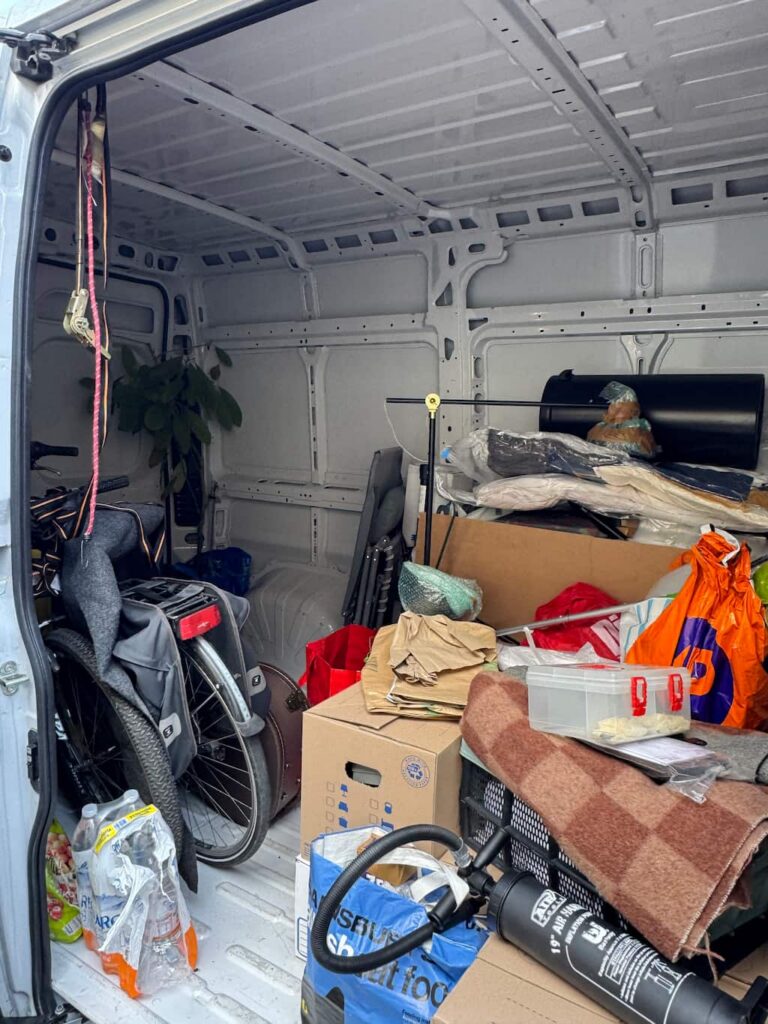
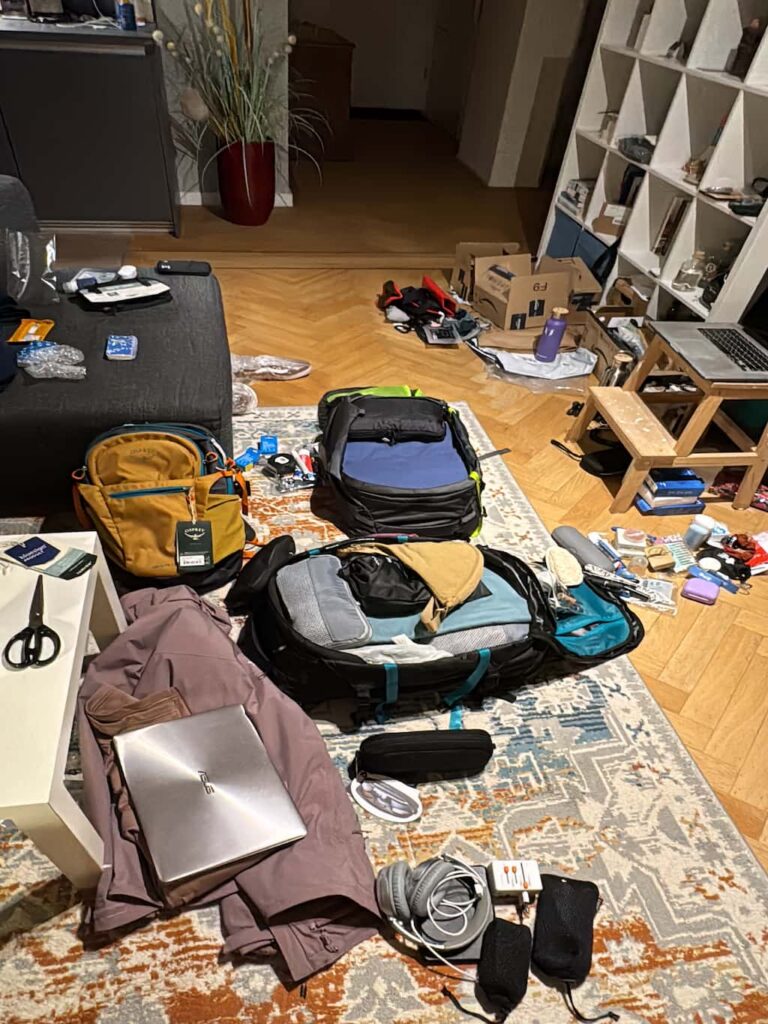
Look around your home. All those things you’ve been hoarding are just “stagnant capital.” When you turn unused physical items into liquid cash, you aren’t just decluttering; you’re converting past purchases into future travel experiences. Living out of a backpack for a year taught us one thing: we owned far more than we ever actually needed.
→ How we did it: We used apps like Vinted and local Facebook marketplace groups. Yes, it takes time to photograph, measure, and describe items, but the effort pays off. We were shocked by how many people were looking for exactly what we were getting rid of.
- The “Easy Wins”: We sold clothes, shoes (including barely-worn pairs), home decor, and jigsaw puzzles.
- The Bigger Items: We cleared out fitness gear (dumbbells), an old action camera, a mountain bike, and outdoor furniture.
- The Moving-Out Haul: Before we officially left our apartment, we sold our SYM Mio mopped, office furniture, kitchen equipment, and memory foam mattresses.

Pro-tip: For the items that weren’t worth the effort to sell, we donated them. It was a liberating way to start our trip with a clean slate. Even if you aren’t moving out permanently, you likely have plenty of “just in case” items collecting dust that could be funding your next flight.
7. High-Yield Savings Utilization
Regardless of whether you’re traveling, your savings shouldn’t sit idle in a standard checking account. Move your travel fund into a High-Yield Savings Account (HYSA) so your money can earn interest while it waits for your trip.
→ How we did it: We started by using our primary Dutch bank accounts, which offered decent interest rates at no extra cost. To maximize our returns, we also utilized investment platforms that offer higher yields for idle cash.
- Trading212: I have used this for years. At the time of writing, it offers competitive APY rates for EUR, USD, and GBP, which outperformed my standard bank.
- Trade Republic: Alessandro used this platform, which also provides attractive yields on uninvested cash.
Important Note: You do not need to start active “investing” to save for a trip. If your risk appetite is low, stick to HYSAs or cash-management accounts. Only look at investment platforms if you are already comfortable with them and want to ensure your “waiting” money is working as hard as possible.
8. Consider downsizing your housing
Accommodation is typically our largest monthly expense. If you don’t own your home, rent is likely your biggest hurdle to saving. Depending on your local market, moving to a cheaper apartment or smaller space can unlock significant monthly savings.
→ How we did it: We stayed put because unfortunately the housing market in the Netherlands made moving cost-prohibitive. Instead, we focused on “micro-savings” at home: we switched to a cheaper internet provider and became hyper-aware of our heating and electricity usage to lower our monthly utility bills.
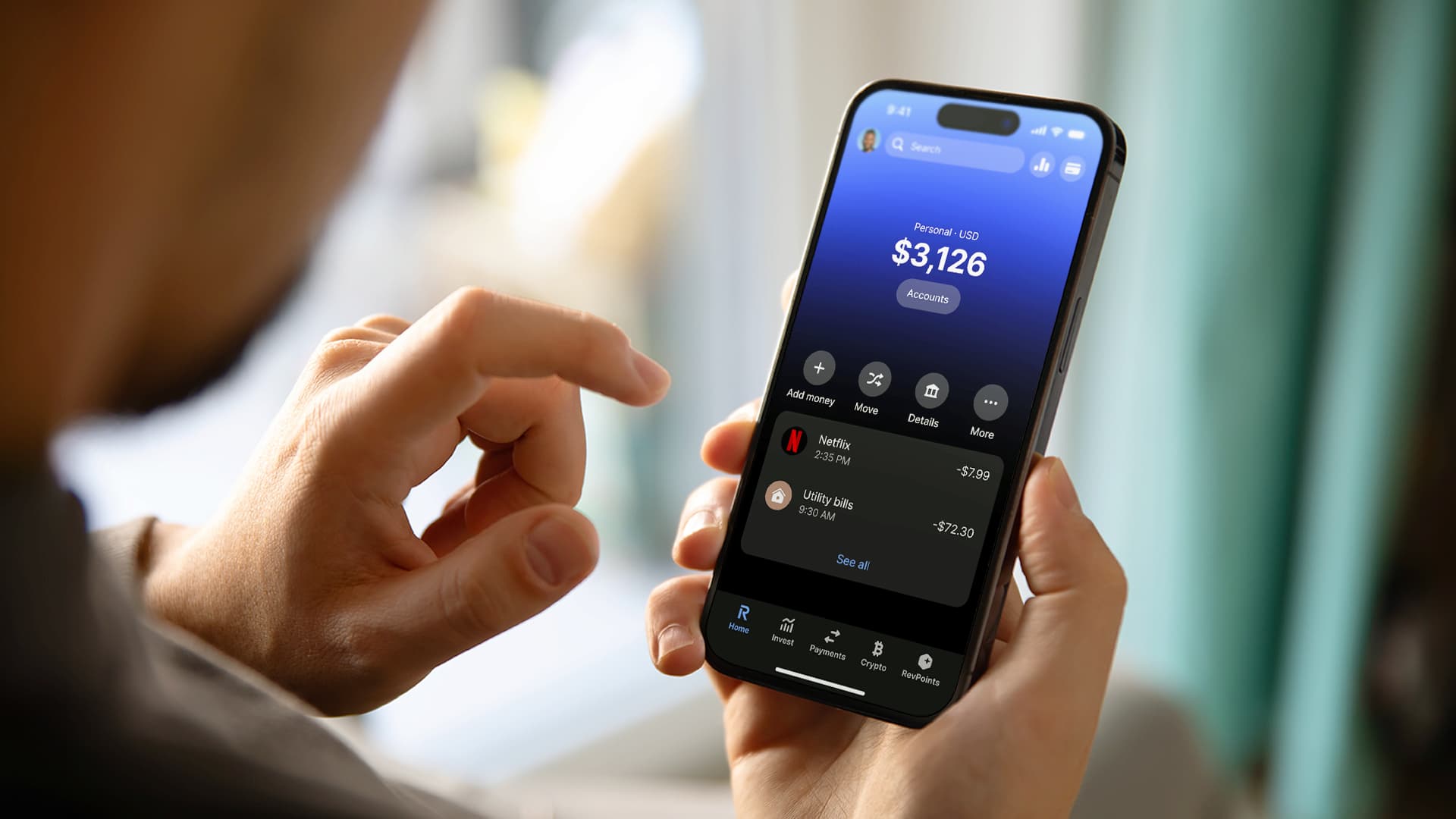
9. Use Revolut’s ‘Spare Change’ saving tools
We have used Revolut for years for currency exchange and withdrawals, and it has been a lifesaver on the road. It is our go-to card for everything pretty much, even when we are not traveling.
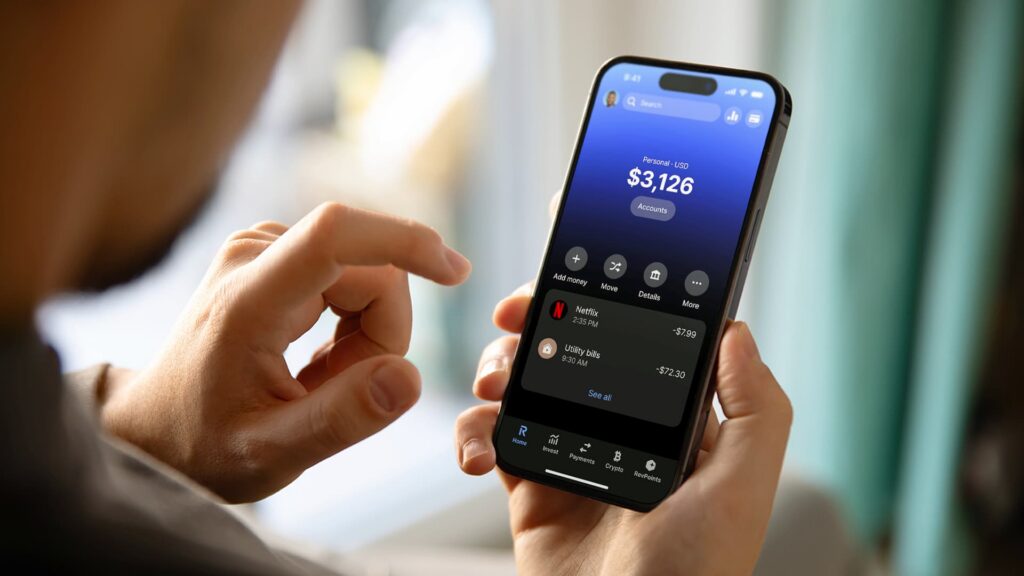
→ How we did it: A few months before our trip, we enabled the “spare change” feature. It rounds up every card payment to the nearest whole number and moves the difference into a dedicated vault. We were genuinely surprised by how quickly those cents turned into a meaningful sum.
We ended up covering several of our small daily expenses during our travels with this sum.
10. Earn travel rewards with credit cards
Earning travel points won’t directly increase your cash savings, but it can offset major costs like flights and hotels, allowing you to keep more money in your pocket.
→ A note on location: Credit card rewards vary wildly by country. In the US, Canada or Australia this is a massive industry where people save thousands by points. In other countries, the options are much thinner.
→ How we did it: To be honest, this didn’t work for us. The credit card market in the Netherlands isn’t optimized for travel rewards, so it wasn’t a viable strategy. Do your own research on your local market because if you live in a country with robust reward programs, you could save a fortune. If not, don’t sweat it; focus on the other nine steps!
How to Actually Stick to Your Roadmap
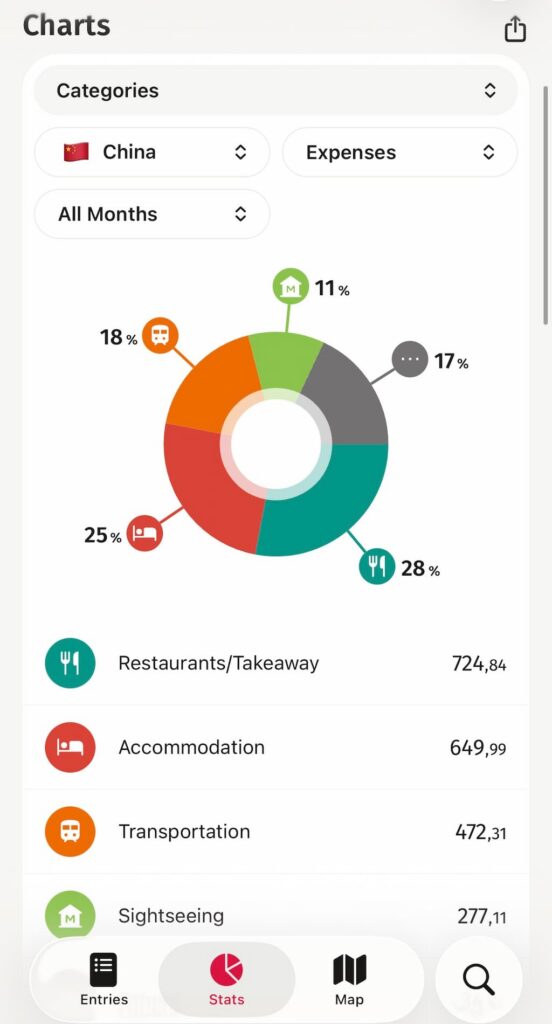
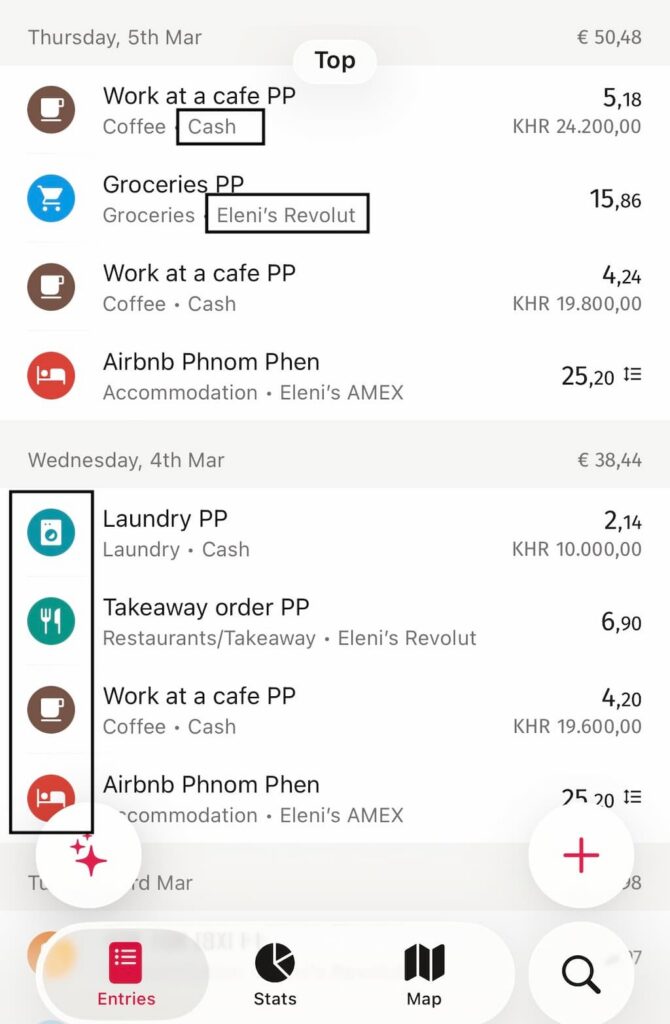
Knowing your budget is one thing, but tracking it is another. We rely on the TravelSpend app to log every expense in real-time, ensuring our actual spending matches the financial roadmap we built. It’s a fantastic tool for setting daily or trip budget, calculating what you have left to spend, and categorizing expenses.
Note: While the free version is great, features like ccreating ustom categories, tracking across multiple countries/trips, and spreadsheet exports require a paid subscription. We opted for the paid version ourselves because we wanted full control while navigating multiple borders.
Conclusion
You don’t need to implement every single tip in this guide to see results, but the more you adopt, the faster you will reach your goal. For us, learning how to save money for travel turned out to be about more than just funding our year-long adventure. Eventually, it became a solid financial roadmap built on practical travel budget tips that transformed how we manage our money over time.
We were surprised by how much less we could live with while still feeling happy and fulfilled. That mindset shift is something we plan to keep, even when we eventually settle down and establish a new base.
We hope you find these tools as useful as we did – not just for your next trip, but for building a healthier, more conscious relationship with your money long-term.
